Everyday Essentials
Air-Drying Clothes Indoors Without Damp or Musty Smells
Indoor drying fails when humidity has nowhere to go. Here is where to put the rack, how spacing and spin speed change dry time, and how to stop the musty smell before it starts.
By the Snug Casa editors · ·
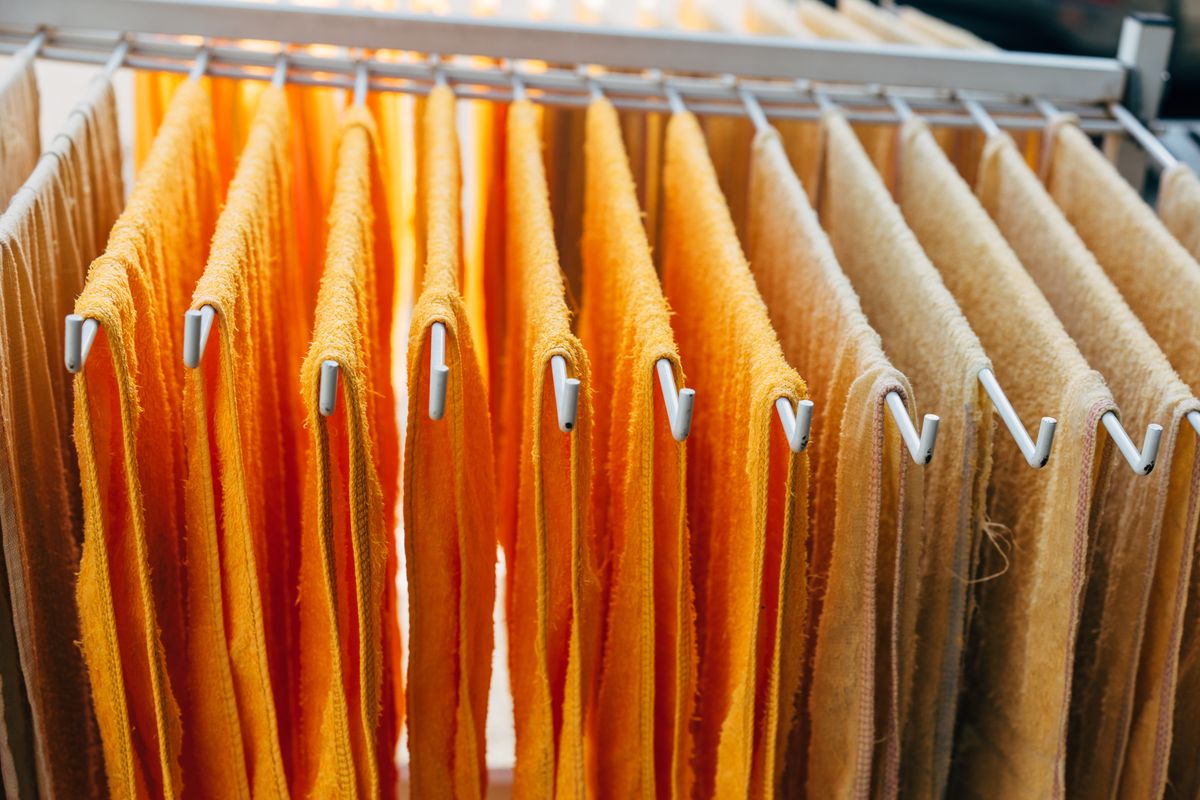
Indoor drying works when three variables are managed: spin speed before hanging, spacing on the rack, and airflow in the room. Get those right and most loads dry overnight without the musty smell that gives indoor drying its bad reputation. Get them wrong and no detergent trick will save the load — damp fabric in still, humid air is a mildew incubator.
Start with the spin, not the rack
The fastest way to shorten indoor dry time is a faster final spin in the machine. Moving from 1,000 to 1,400 RPM extracts noticeably more water, which cuts hours off the rack time. It is also free — no electricity spent on a heater, just centrifugal force. Delicates still get their gentle cycle, but towels, bedding and everyday cottons should take the highest spin their care label allows.
Rack placement: airflow over warmth
Place the rack in the room with the best air movement, not the warmest one — usually near a window or a doorway. Keep a hand-span of air between garments; one hanger of space per item is the rule. Radiator drying seems efficient but causes two problems: clothes block the heat from warming the room, and constant direct heat can distort wool and shrink cotton.
The physics to respect: one load releases roughly a liter and a half of water into the air as it dries. In a closed room that humidity saturates by afternoon and everything stops drying. Open a window on opposite sides of the home for cross-ventilation, run a dehumidifier in the drying room, or dry overnight with the door open and the extractor fan on. In winter, ventilating for ten minutes with the radiator off beats leaving the room sealed and humid all day.
Loading the rack properly
Hang shirts by the hem upside down on the rack bars so shoulder marks never form, and drape pants and towels with as little overlap as possible. Heaviest items — towels, denim, bedding — go on the outer edges with the most airflow, light synthetics in the middle where they dry regardless. Anything with a print dries face-in to protect it. Rotating the rack once mid-day helps deep stacks; turning each towel over flattens the damp fold that forms where fabric meets the bar.
Preventing the musty smell
The smell is biological: bacteria thrive when fabric stays damp too long, so prevention is about speed. Spin hard, space wide, move air. Wash loads you cannot hang promptly rather than letting wet laundry sit in the drum — two idle hours in the machine is often all it takes. Clothes that already smell musty get rewashed with a pre-wash and a vinegar rinse, then dried faster.
Some fabrics punish indoor drying more than others. Linen sheets and terry towels hold the most water and demand the most spacing — our guides to washing bedding and choosing bath towels cover their specific needs. Wool and silk should never go on a rack in a humid room; flat-dry them with airflow, away from heat.
When a dehumidifier earns its place
For households drying loads daily in a small apartment, a dehumidifier in the drying room is the single highest-impact purchase: it pulls the liter and a half back out of the air, cuts dry times roughly in half, and protects walls and window frames from condensation. Pair it with the rack a meter away, door closed, and a typical overnight load comes out dry by morning even in humid weather.
FAQ
How long do clothes take to air dry indoors? +
Typically 8 to 24 hours depending on fabric and room conditions. Thin synthetics and spun-dry cotton can finish overnight; heavy towels and denim may need a full day and a half. If anything still feels damp past 24 hours, the room's humidity is saturated — the load needs more spacing, better airflow, or a dehumidifier in the room.
Why do my clothes smell musty after drying indoors? +
The smell means the clothes dried too slowly: bacteria and mildew started working in the damp fabric. The fixes are mechanical, not chemical — a faster final spin, one hanger of spacing between garments, airflow across the rack, and a room that is not already humid. Clothes that already smell musty should be rewashed, not dried harder.
Is indoor drying bad for your health or your home? +
One load of laundry releases about a liter and a half of water into the air, which raises indoor humidity for hours. In a small or poorly ventilated home, daily drying without ventilation can push humidity into the range that encourages mold on walls and window frames. The solution is not to stop drying indoors but to manage the moisture: ventilate, dehumidify, or dry in a room you can air out.