Bedding
How Often to Replace Pillows: Lifespan by Type
Most pillows last 1 to 3 years depending on fill. Here is a lifespan table by pillow type, the fold test that signals a dead pillow, and the hygiene reasons to replace on schedule.
By the Snug Casa editors · ·
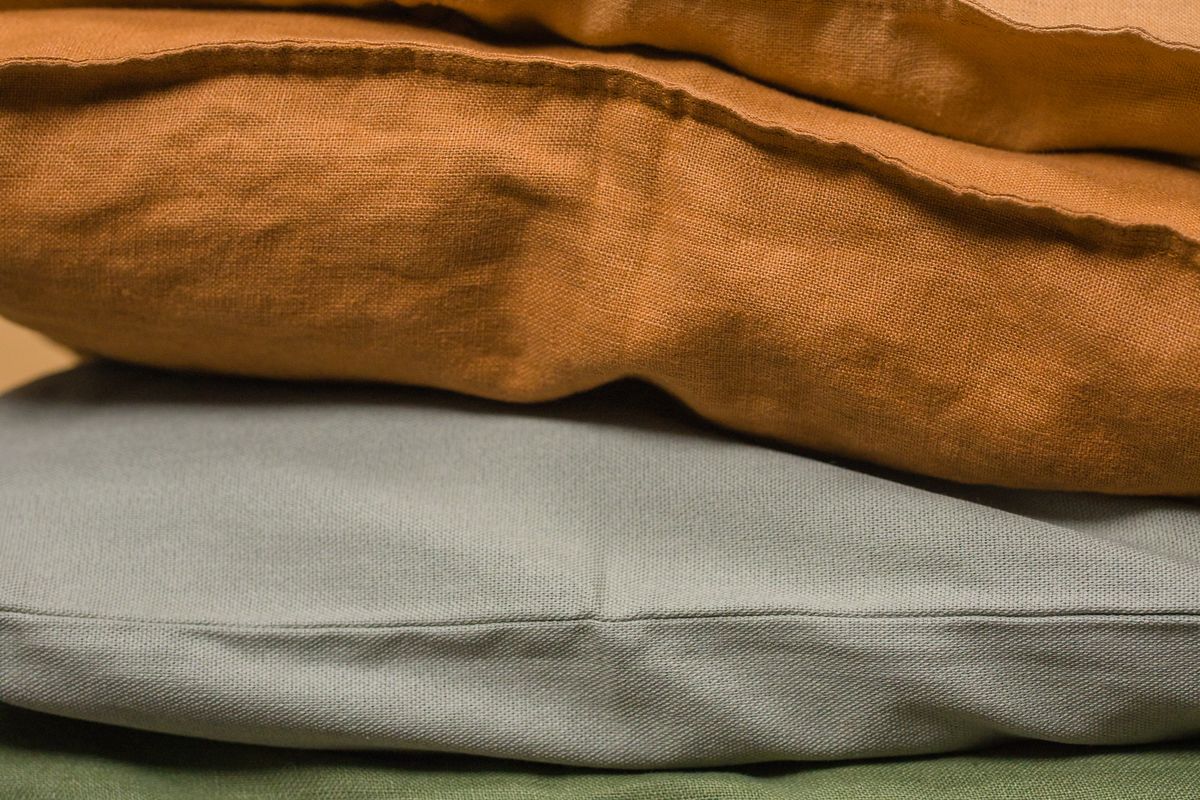
Most pillows need replacing every 1 to 3 years, and the fill type decides where you land in that range. Two quick checks — the fold test and a morning stiffness check — tell you whether yours is due now or has life left. Replacing on schedule is not just comfort: an aging pillow collects dust mites and loses the neck support you bought it for.
Lifespan by pillow type
Fill material is the single biggest factor in how long a pillow stays supportive. Typical ranges based on published material properties and verified owner feedback:
| Pillow type | Typical lifespan | Main failure mode |
|---|---|---|
| Polyester fiberfill | 6–12 months | Clumping, permanent flattening |
| Down and feather | 1–2 years | Loft loss, feathers poking through |
| Memory foam (solid) | 2–3 years | Body impressions, slower rebound |
| Shredded memory foam | 18 months–2.5 years | Fill shifting, clumping |
| Latex | 3–4 years | Surface crumbling in older pillows |
| Buckwheat hulls | 3+ years | Hulls breaking down, flattening |
Polyester pillows are the shortest-lived by far — the fill is cheap and collapses quickly under nightly pressure. Latex is the outlier at the top end, which is why it commands a premium.
The fold test and other warning signs
The fold test is the fastest check: fold the pillow in half, hold five seconds, release. It should push back open. If it stays folded, the loft is gone and so is the neck support. For solid memory foam, press your palm into the center instead — the impression should vanish within a few seconds.
Beyond the fold test, replace a pillow when you notice any of these:
- You wake with a stiff neck or headaches that ease during the day.
- The pillow has yellow stains or a lingering odor that survives washing.
- You constantly fluff, punch, or fold it to get comfortable.
- Lumps or clumps you cannot redistribute by hand.
The hygiene case for replacing on schedule
Pillows absorb sweat, skin oils, and saliva every night, and dust mites feed on the dead skin that accumulates inside. A pillow past its lifespan can hold a significant mite population even when the cover looks clean — a known aggravator for allergy and asthma sufferers. Washing helps but does not reach everything inside a dense fill; our bedding washing routine covers what laundering can and cannot do.
If you use a protective pillow encasement and wash pillowcases weekly, you extend the hygiene window — but not the structural one. Support loss is physical, not cosmetic.
Making the next pillow last
Use a zippered protector under the pillowcase, wash it monthly, and air the pillow out occasionally to release trapped moisture. Avoid washing memory foam and latex in a machine — spot clean instead. And when you replace, match the fill to your sleep position rather than buying the same model by default; our mattress firmness guide covers how sleep position changes support needs across the whole bed, not just the pillow.
FAQ
How often should you replace memory foam pillows? +
Every 2 to 3 years. Solid memory foam holds its shape longer than fiberfill but gradually loses responsiveness and develops body impressions. Shredded memory foam pillows tend to age slightly faster because the fill shifts and clumps.
What is the fold test for pillows? +
Fold the pillow in half and hold it for a few seconds. A healthy pillow springs back open on its own. A pillow that stays folded has lost the loft that supports your neck, and it is time to replace it. This test works for fiberfill and down pillows, not solid memory foam.
Can old pillows make you sick? +
Old pillows accumulate dust mites, their droppings, and dead skin over years of use, which can worsen allergies and asthma symptoms. Washing helps, but a pillow that is past its lifespan cannot be fully restored, which is why replacement on a schedule matters for allergy sufferers.